2. Artificial Neuroplasticity
Neuroplasticity and its applications in AI
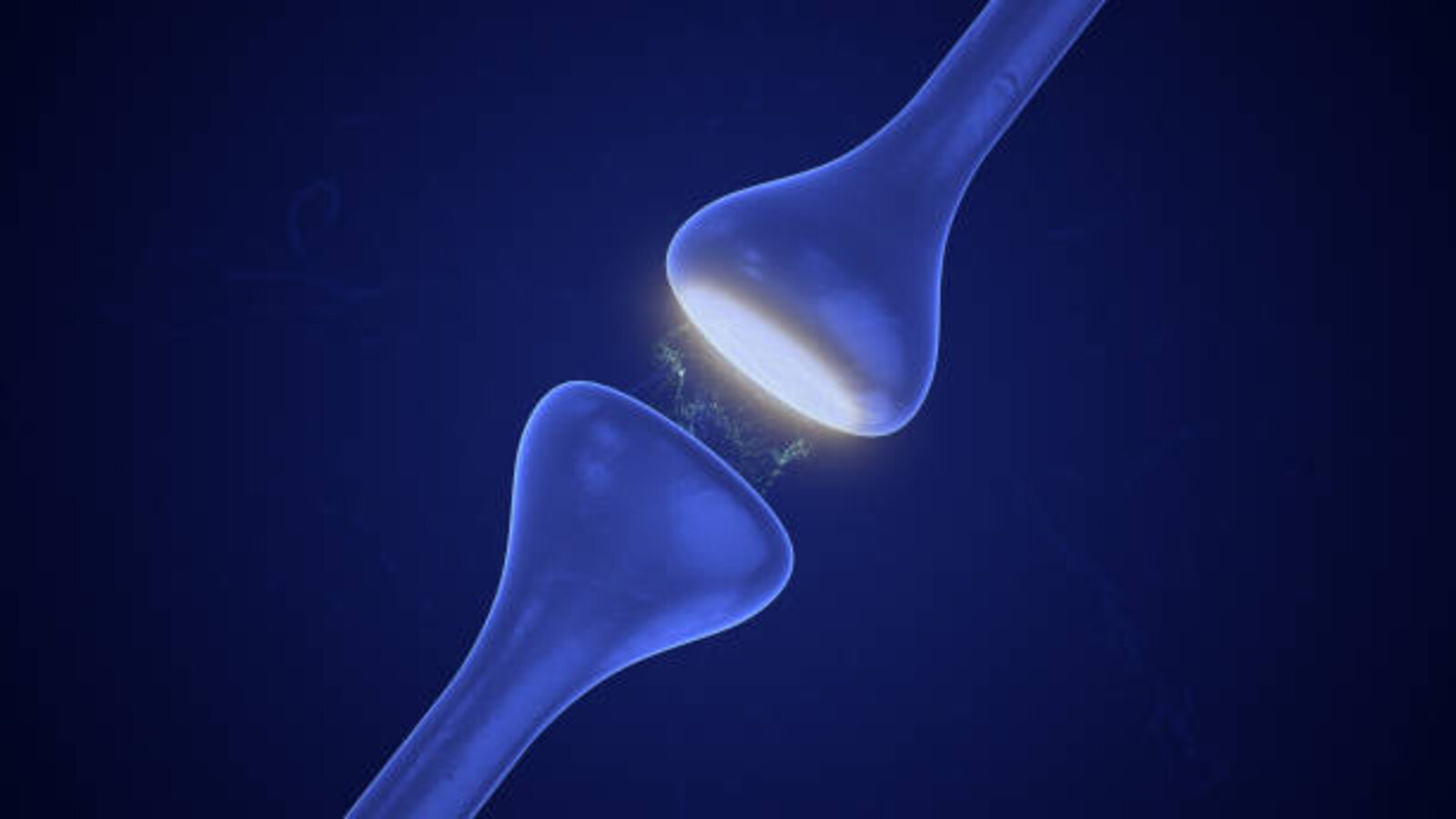
This Article: guleria.ai/blog/Artificial-Neuroplasticity Have you ever noticed how your brain adapts when you learn something new—rewiring itself to build new connections? This incredible ability, called neuroplasticity, fascinates me both as a neuroscience concept and as inspiration for building better AI systems.
I’ve been thinking a lot about how we can make AI systems more like our brains—not just in processing information, but in adapting and learning continuously without forgetting what they already know. Let me share what I’ve discovered about bringing neuroplasticity principles into artificial intelligence.
What Is Neuroplasticity?
Before we dive into the AI side, let me explain what neuroplasticity actually is. It’s your brain’s superpower to rewire itself in response to new experiences, whether you’re learning to play guitar or recovering from an injury. Your brain constantly forms new neural connections and strengthens existing ones, making you more adaptable and resilient.
There are three main types:
- Experience Independent Plasticity - Changes that happen regardless of experience
- Experience Dependent Plasticity - Changes driven by what you learn and do
- Activity Dependent Plasticity - Changes based on neural activity patterns
The key mechanisms here are neurogenesis (creating new neurons) and pruning (removing unused connections). Think of it as your brain’s way of “use it or lose it.”
In this short clip, Dr. Andrew Huberman explains how neuroplasticity works and, more importantly, how you can actively increase it. I found his insights game-changing for understanding both human and artificial learning.
The Problem with Current AI
Here’s the thing that’s always bothered me about conventional neural networks: they’re static. Once trained, their weights and architecture are fixed. Want to teach them something new? You need to retrain them from scratch—which is expensive, time-consuming, and frankly, nothing like how we actually learn.
This is where artificial neuroplasticity comes in. I’ve been exploring it as a solution for making AI systems truly adaptive, able to learn continuously without losing what they already know.
The Big Challenges
The Stability-Plasticity Dilemma
This is the core problem I keep running into: how do you balance stability (keeping what the model already knows) with plasticity (learning new information)? It’s like trying to add new skills without erasing your existing ones—something our brains do effortlessly, but AI really struggles with.
Catastrophic Forgetting
I’ve seen this happen countless times in my experiments: train a network on new data, and watch it completely forget what it learned before. It’s called catastrophic forgetting, and it’s one of the biggest roadblocks to building truly intelligent, lifelong learning systems.
Exciting Technologies I’m Following
Liquid Neural Networks
These are fascinating! Liquid neural networks can change their parameters in real-time using differential equations. Imagine a network that adapts on the fly without needing retraining—it’s like your brain adjusting to new situations instantly. I’ve been particularly interested in how they could revolutionize robotics and real-time decision systems.
Neuromodulated Plasticity
This approach mimics how dopamine and other neurotransmitters work in your brain. The system adjusts its learning rate and strategy based on rewards, novelty, or uncertainty—basically artificial neurotransmitters! I love this idea because it helps solve the stability-plasticity dilemma by intelligently deciding when to learn aggressively and when to consolidate knowledge.
Memory-Augmented Neural Networks
Here’s a clever solution I’ve been experimenting with: separate the memory from computation. Systems like Neural Turing Machines (NTM) and Differentiable Neural Computers do exactly this. It’s like giving the AI a notepad—it can store and retrieve information without constantly rewriting its core programming. This separation is crucial for building long-term memory and true adaptation.
Brain-Inspired Solutions That Actually Work
Experience Replay
Remember how your brain consolidates memories during sleep? I’ve been using a similar technique in AI called experience replay. The idea is simple: periodically revisit old experiences while learning new ones. It’s like studying for an exam by mixing old material with new—you retain everything better. I’ve found this particularly effective in reinforcement learning projects where the AI needs to build on past knowledge without losing it.
Elastic Weight Consolidation
This is one of my favorite techniques. It works by identifying which neural connections (weights) were crucial for previously learned tasks and protecting them when learning new tasks. Think of it as your brain deciding “this skill is important, let’s not mess with it” while adapting other connections. It mimics how your brain strengthens important pathways and prunes less-used ones.
Where This Gets Really Exciting
Adaptive Robotics
Imagine a robot that learns to walk on different terrains—sand, gravel, concrete—and adapts in real-time without needing to be reprogrammed. Even better, if a motor fails, it figures out how to compensate and keep moving. That’s the power of artificial neuroplasticity I’m working toward. It’s not just cool science fiction—we’re getting close to making this real.
Lifelong Learning Systems
This is the holy grail for me: AI systems that adapt to changing conditions over time without needing constant retraining or replacement. As the world changes, the AI evolves with it. Think about applications in autonomous vehicles, smart homes, or industrial robots that improve over years of operation, just like we do.